Quick Answer
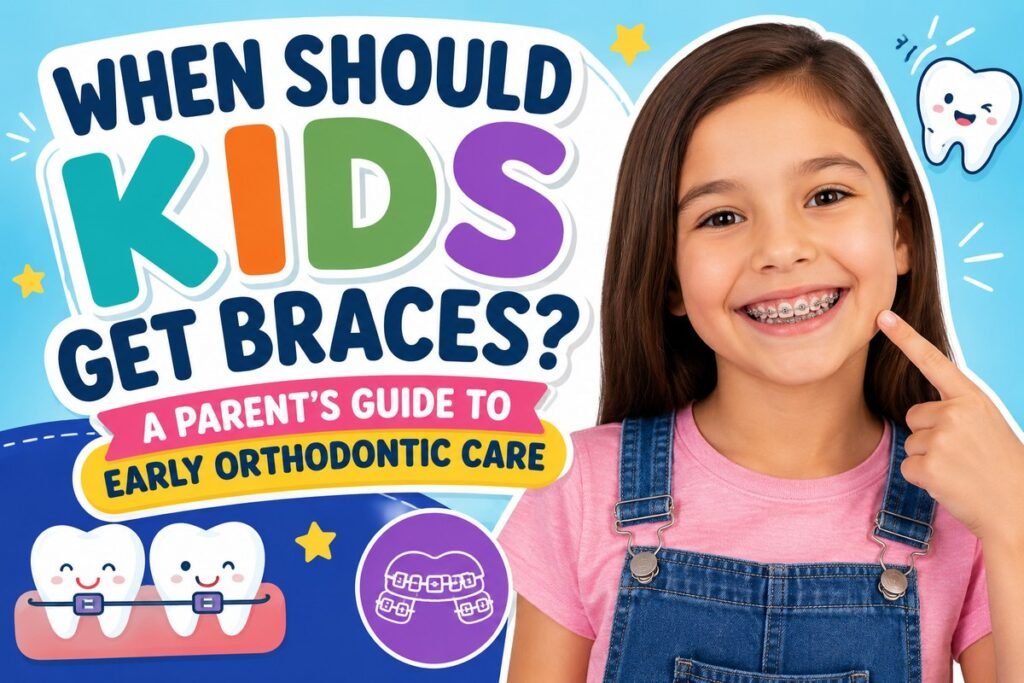
Most children should have their first orthodontic evaluation around age 7, according to the American Association of Orthodontists (AAO). This doesn’t necessarily mean your child will need braces immediately. An early evaluation allows the orthodontist to monitor jaw growth, identify developing bite problems, and recommend the ideal time for treatment if it’s needed.
Introduction
Many parents assume braces begin in the teenage years. While that’s true for many children, the best time for an orthodontic evaluation is often much earlier. One of the most common questions parents ask is: “How do I know if my child needs braces?”
The answer depends on much more than crooked teeth. A child’s jaw development, bite alignment, spacing, and oral habits all influence whether orthodontic treatment may be beneficial. Understanding the signs early can help families make informed decisions and, in some cases, simplify future treatment. Whether you live in Chino, Chino Hills, Eastvale, Ontario, or nearby communities, knowing when to schedule an orthodontic evaluation can support your child’s oral health and long-term smile.
Why Early Orthodontic Care Matters
Orthodontics isn’t only about creating straighter teeth. A healthy bite helps children:
- Chew comfortably
- Speak clearly
- Maintain good oral hygiene
- Reduce uneven tooth wear
- Support balanced jaw development
- Improve long-term oral function
When bite concerns are identified early, an orthodontist can monitor growth and determine the most appropriate timing for treatment. Early evaluation doesn’t always mean early braces, but it gives families valuable information about their child’s developing smile.
What Is the Recommended Age for an Orthodontic Evaluation?
The American Association of Orthodontists recommends that children receive their first orthodontic evaluation by age 7. By this age:
- Most children have a mix of baby and permanent teeth.
- The jaws are still growing.
- Bite problems are easier to identify.
- Growth patterns can be monitored.
- Future treatment can be planned more accurately.
Many children will simply continue routine monitoring with regular dental checkups until they’re older, while others may benefit from early intervention depending on their individual needs.
Does Every Child Need Braces at Age 7?
No. This is one of the biggest misconceptions parents have. An orthodontic evaluation at age seven does not automatically mean braces will begin immediately. In many cases, the orthodontist simply monitors development during regular checkups and recommends treatment when the timing is most effective. Some children may never need braces, while others may benefit from treatment during their pre-teen or teenage years. The goal of an early evaluation is to make informed decisions, not to start treatment unnecessarily.
Signs Your Child May Need Braces
Every child develops differently, but certain signs may indicate that an orthodontic evaluation is worthwhile.
Crowded Teeth
When permanent teeth don’t have enough space, they may overlap, rotate, or become difficult to clean. Crowded teeth can increase plaque buildup and make brushing and flossing more challenging.
Gaps Between Teeth
Spacing is common while children are growing. However, unusually large gaps or missing teeth may require evaluation to determine whether treatment will be beneficial.
Bite Problems
Orthodontists evaluate several types of bite concerns, including overbite, underbite, crossbite, and open bite. These conditions may affect chewing, speech, jaw development, and tooth wear over time.
Difficulty Chewing
If your child frequently bites their cheeks, struggles to chew certain foods, or complains about discomfort while eating, their bite may deserve closer evaluation.
Mouth Breathing
Persistent mouth breathing can sometimes influence facial growth and jaw development. Although it doesn’t always indicate an orthodontic problem, it’s worth discussing with your pediatric dentist in Chino.
Thumb Sucking Beyond Early Childhood
Thumb sucking and prolonged pacifier use are normal during infancy. However, continuing these habits beyond the toddler years may affect bite development in some children. Early guidance can help minimize long-term effects.
Phase 1 vs. Phase 2 Orthodontic Treatment
Parents often hear the terms Phase 1 and Phase 2 treatment. Understanding the difference can make orthodontic care much less confusing.
Phase 1 Orthodontics
Also called early interceptive treatment, Phase 1 may begin while some baby teeth are still present. The goal isn’t necessarily to straighten every tooth. Instead, treatment may help:
- Guide jaw growth
- Create space for permanent teeth
- Correct significant bite problems
- Reduce the risk of future complications
Not every child requires Phase 1 treatment.
Phase 2 Orthodontics
Phase 2 typically begins after most permanent teeth have erupted. This stage focuses on aligning teeth, refining the bite, and creating a healthy, functional smile. Traditional braces or clear aligners may be recommended depending on the child’s needs.
What Causes Crooked Teeth?
Many parents assume crooked teeth happen randomly. In reality, several factors can influence orthodontic development, including:
- Genetics
- Early loss of baby teeth
- Thumb sucking
- Prolonged pacifier use
- Jaw growth differences
- Tooth size and spacing
- Dental trauma
Understanding these factors helps families recognize why every orthodontic treatment plan is unique.
Can Early Orthodontic Care Prevent Future Problems?
Sometimes, but not always. Early orthodontic treatment isn’t designed to eliminate the need for braces in every case. Instead, it may:
- Guide healthy jaw growth.
- Improve bite alignment.
- Create space for incoming permanent teeth.
- Reduce the severity of future orthodontic issues.
- Improve long-term oral function.
The greatest benefit is identifying concerns at the right time rather than waiting until problems become more complex. Pairing orthodontic monitoring with preventive dental care gives your child the strongest foundation for a healthy smile.
Braces vs. Invisalign: Which Option Is Right for Your Child?
One of the most common questions parents ask after learning their child may need orthodontic treatment is whether braces or Invisalign are the better option. The answer depends on several factors, including your child’s age, the complexity of their orthodontic needs, oral hygiene habits, and treatment goals.
Traditional Braces
Traditional braces remain one of the most effective ways to correct complex orthodontic problems. They are fixed to the teeth and work continuously to move teeth into their proper position. Braces are often recommended for children with:
- Moderate to severe crowding
- Significant bite problems
- Rotated teeth
- Complex jaw alignment concerns
Since braces stay in place throughout treatment, they don’t rely on the child remembering to wear them.
Invisalign Clear Aligners
Clear aligners offer a removable alternative to traditional braces for appropriate cases. Many older children and teenagers appreciate Invisalign because the aligners are nearly invisible and can be removed while eating, brushing, and flossing. Invisalign may be appropriate for:
- Mild to moderate crowding
- Small gaps between teeth
- Certain bite corrections
- Older children and teenagers who can consistently wear their aligners
Regardless of the treatment option, the goal is always the same: creating a healthy bite, improving oral function, and supporting a confident smile. Our team can walk you through all of your child’s braces and orthodontic options during a consultation.
What Happens During an Orthodontic Evaluation?
Many parents are surprised by how simple an orthodontic consultation can be. An evaluation typically includes:
- Reviewing your child’s dental and medical history
- Examining tooth alignment and bite
- Assessing jaw growth and facial development
- Looking for crowding or spacing concerns
- Taking digital X-rays or photographs if needed
- Discussing whether treatment is recommended now or later
In many cases, the orthodontist simply recommends periodic monitoring until your child’s permanent teeth develop further.
How Long Do Braces Usually Take?
Every child’s smile develops differently, so treatment times vary. Factors that influence treatment include age, jaw development, complexity of the bite, the amount of tooth movement required, and how closely treatment instructions are followed. Many comprehensive orthodontic treatments last between 12 and 24 months, although some cases may require less or more time depending on individual needs. The most important goal isn’t finishing quickly, it’s achieving a healthy, stable result.
How Parents Can Help During Orthodontic Treatment
Parents play an important role throughout treatment. You can help your child by encouraging them to:
- Brush after every meal.
- Floss daily.
- Wear rubber bands or aligners exactly as instructed.
- Attend regular adjustment appointments.
- Avoid habits that could damage braces.
- Report loose brackets or discomfort promptly.
Consistent home care helps keep teeth healthy while orthodontic treatment is underway.
Foods to Avoid with Braces
Certain foods can damage brackets or wires. Children wearing braces should avoid:
- Hard candies
- Ice
- Popcorn kernels
- Sticky caramel
- Chewy taffy
- Whole apples (unless sliced)
- Hard nuts
- Chewing on pens or pencils
Instead, choose softer foods that are easier on orthodontic appliances. Good options include yogurt, pasta, rice, scrambled eggs, soft fruits, cooked vegetables, smoothies, and cheese. Healthy eating habits also support overall oral health throughout treatment.
Parent Checklist: Is It Time for an Orthodontic Evaluation?
Consider scheduling an orthodontic evaluation if your child:
- Has crowded or crooked teeth
- Has noticeable gaps between teeth
- Has difficulty biting or chewing
- Has an overbite, underbite, crossbite, or open bite
- Lost baby teeth much earlier or later than expected
- Continues thumb sucking beyond early childhood
- Frequently bites their cheeks
- Has difficulty keeping teeth clean because of crowding
Remember, this checklist doesn’t mean braces are necessary, it simply indicates that an orthodontic evaluation may be beneficial.
Common Myths About Braces
Myth: Every child needs braces.
Fact: Many children never require orthodontic treatment. An evaluation simply determines whether treatment is appropriate.
Myth: Braces are only for teenagers.
Fact: While many children begin treatment during adolescence, some orthodontic concerns are best evaluated much earlier.
Myth: Crooked teeth are only a cosmetic problem.
Fact: Tooth alignment can also affect chewing, cleaning, speech, jaw function, and long-term oral health.
Myth: An orthodontic evaluation means treatment starts immediately.
Fact: Many children are simply monitored until the ideal time for treatment.
Frequently Asked Questions
At what age should my child first see an orthodontist?
The American Association of Orthodontists recommends an evaluation by age seven. Early evaluations help identify developing concerns while allowing the orthodontist to monitor growth.
Does every child need braces?
No. Many children benefit from monitoring without immediate treatment, and some never require braces.
Do braces hurt?
Children may experience mild soreness for a few days after braces are placed or adjusted, but the discomfort is usually temporary and manageable.
Can Invisalign replace braces?
For some children and teenagers, Invisalign can be an effective alternative. However, traditional braces may be better suited for more complex orthodontic needs.
How often will my child need appointments?
Most orthodontic patients are seen every four to eight weeks so progress can be monitored and adjustments made when necessary.
Can my child still play sports with braces?
Yes. Children who participate in sports should wear a properly fitted mouthguard to help protect their teeth and orthodontic appliances.
What happens if orthodontic problems are ignored?
Untreated bite issues may contribute to uneven tooth wear, cleaning difficulties, crowding, chewing problems, and, in some cases, more complex treatment later.
Final Thoughts
Every child’s smile develops differently, which means there is no single “perfect” age to begin braces. What matters most is identifying orthodontic concerns early enough to make informed decisions at the right time. An orthodontic evaluation around age seven allows parents to understand how their child’s teeth and jaws are developing. In many cases, no treatment is needed immediately. Instead, the orthodontist simply monitors growth and recommends treatment only when it will provide the greatest benefit.
Early evaluations aren’t about rushing into braces, they’re about giving children the best opportunity for healthy oral development, proper bite alignment, and confident smiles as they grow. If you have questions about your child’s orthodontic development, schedule an evaluation with our Chino pediatric dental team for clarity and peace of mind.
