Most cavities in school-aged children start in the grooves of the back teeth. Here is what changes when a sealant goes on.
Sealants are not recommended for every child or every tooth, but where they fit, the case is strong.
The grooves in a molar can be narrower than a single toothbrush bristle. No amount of good brushing reaches the bottom of them, which is exactly where decay starts.
No drilling, no injection, no numbness. The tooth is cleaned, the sealant is painted on, and a curing light sets it in seconds.
Sealants commonly last several years. We check them at every visit and simply top up or replace any that have worn or chipped.
Sealants cover the chewing surface only. Brushing, flossing, fluoride, and regular cleanings still protect the sides and gumline.
No needles, no drilling, and no numbness afterwards. Most children are surprised it is over so quickly.
The chewing surface is polished so nothing is sealed underneath.
A gel is applied briefly, then rinsed, so the sealant bonds properly.
The liquid is painted on and flows into every groove.
A curing light sets it hard in a few seconds.
Your child bites together to check it feels right, then eats normally.
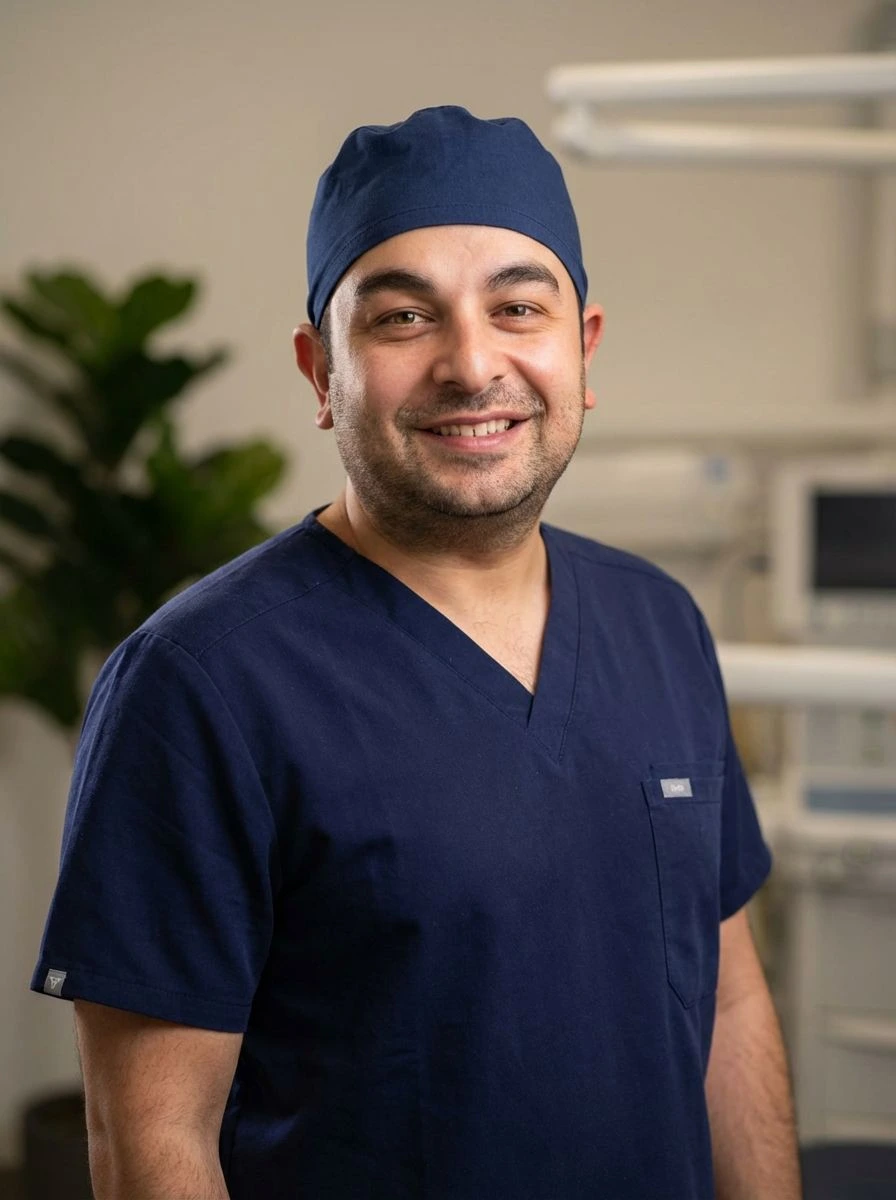
UCLA-trained, with over five years of experience caring for children’s smiles in Chino.
What a GREAT OFFICE ! The whole team is so welcoming and really makes you feel at ease ! My son was so so anxious about his visit and first time getting cavities filled and they really took their time and made him feel like he was safe and in such good hands. I really really appreciated it as a mom the extra attention to detail and attention to my son’s feelings. We will most definitely be coming back for future care and a huge thank you again to the team !

 MARTA OLCZYK
I brought my kids in to Say Cheese Dental today after moving from Orange County && they immediately eased my nerves. The staff was so nice and made my children very comfortable. We’re looking forward to coming back ❤️
 Gy'Kia Wills
Awesome service super friendly
 David Sanchez
This was our first visit, and we had a great experience. Everyone was very patient, friendly, and helpful. The staff made my kids feel comfortable and well cared for. We really appreciate their kindness and professionalism.
 Wendy W
The girls on the office were really sweet and kind with my daughter. The patience and professionalism was very exceptional. They explained everything very well and straight forward. I’ve been to other offices and was not treated the way I was treated today. The staff was very welcoming and attentive
 Adriana Cervantes
Great experience at this dental office. Everyone was kind and welcoming, from the front desk to the X-ray technician and the doctor. The dentist was very thorough. He took the time to explain everything clearly, and made sure I understood the treatment and options. You can really tell they care about their patients and want you to feel comfortable. I highly recommend them.
 Iris Avalos
I must say this play is Wonderfully very charming and kids friendly. They have a wonderful and knowledgeable Doctor, and their staff are professional. My daughter has alot of crowding, and in between baby and mature teeth phase and needs a braces, everyone was non judgemental about her teeth and treated her and myself with kindness. And after all that they have a prize for the kids. Definitely recommended this dentist office.
 Richelle T
Dr. Kohan was super helpful, transparent and professional. The office is very nice and super kid friendly. Staff was attentive and kind. My girls felt very comfortable with the consultation and cleaning.
 Griselda Aguirre
Excelente Servicio Fueron súper amables y comprensivos y eso hizo que mi hijo se sintiera seguro… Lo recomiendo 10/10
 Brenda Orellana