Cavities between two touching teeth are invisible during a visual exam — there is simply no line of sight. By the time such a cavity becomes visible or painful, it is usually much larger. A digital image shows it while it is still small enough for a simple filling, which is the whole point of preventive care.
Under every baby tooth is a permanent tooth waiting its turn. Imaging lets us confirm they are present, correctly positioned, and erupting in sequence. It also shows when a permanent tooth is missing altogether, which is more common than parents expect and much easier to plan for when known early.
Knowing the true depth of a cavity changes the recommendation — a filling, a crown, or pulp therapy are very different conversations. Clear images mean we suggest the least invasive option that will actually work, rather than guessing. This matters most in restorative treatment.
Before any conversation about braces, we need to see crowding, tooth angulation, and how the jaw is developing. Imaging also shows whether early tooth loss has caused drifting, which is when a space maintainer may be needed.
Higher radiation dose · film must be chemically processed · results take time · images cannot be enlarged or adjusted · chemical waste from developing · retakes mean repeating the exposure
Substantially lower radiation dose · images appear on screen in seconds · can be enlarged and contrast-adjusted for a clearer diagnosis · no chemical processing · easy to store and share with specialists · shorter time in the chair
Digital sensors need far less radiation than the film systems they replaced — manufacturers commonly cite reductions in the range of 80 to 90 percent, though the exact figure depends on the system and the type of image being taken. In practical terms, a set of digital bitewings exposes your child to a very small fraction of the background radiation they receive naturally each year. We are also selective about when images are taken at all, which reduces exposure further than any equipment choice can.
Not at every visit, and not on a fixed schedule. These are the situations where an image genuinely changes what we can see or recommend.
Rarely needed at a first visit. If your child’s teeth are spaced apart, a visual exam is usually enough. See what happens at a first visit.
Once back teeth touch, decay can hide between them. Bitewing images are then taken periodically based on your child’s cavity risk, as part of routine exams.
Pain without a visible cause usually means something below the surface — decay reaching the nerve, an abscess, or a crack. Imaging shows which.
A panoramic image shows all the teeth, including ones still forming, plus jaw position. Standard before any braces discussion.
After a fall or sports impact we check for root fractures and damage to the permanent tooth developing above. Often needed in an emergency visit.
If a tooth is late, imaging tells us whether it is present and simply slow, blocked by crowding, or absent altogether.
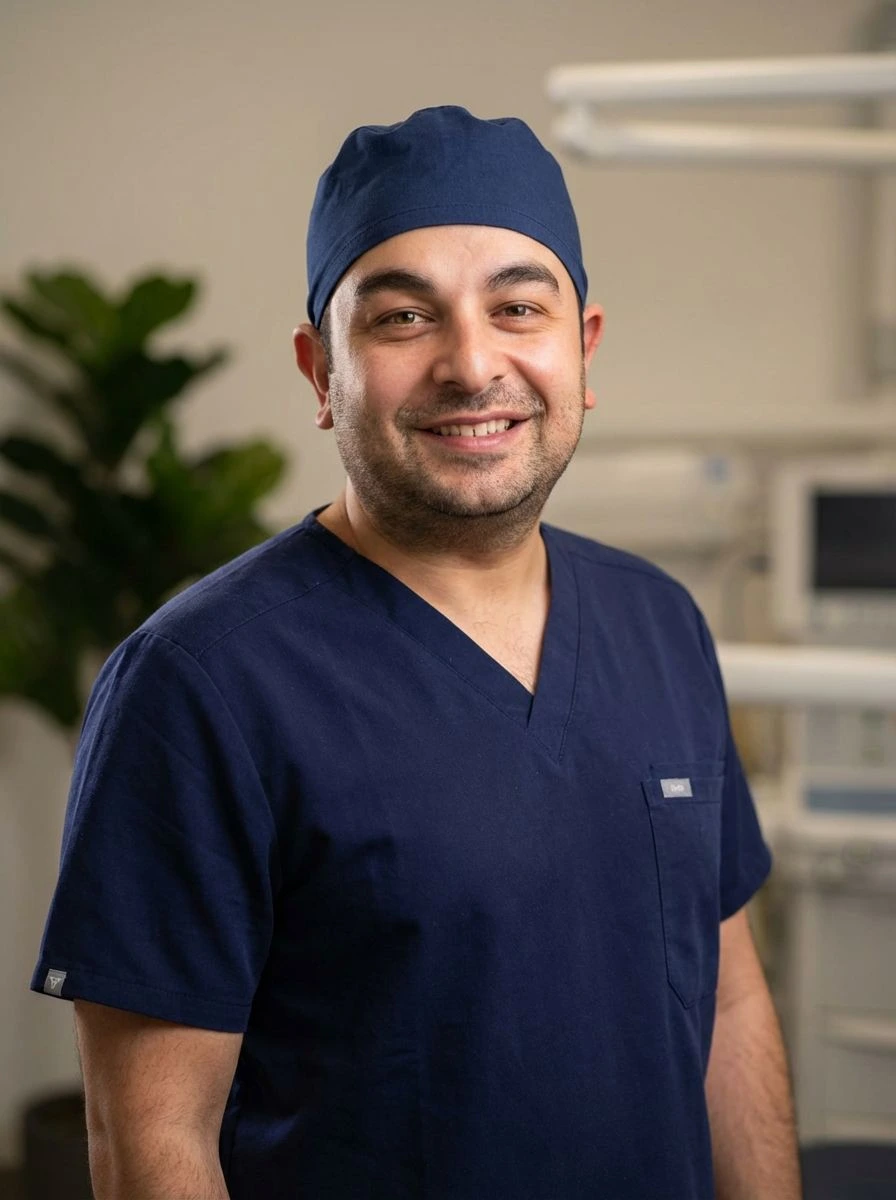
UCLA-trained, with over five years of experience caring for children’s smiles in Chino.
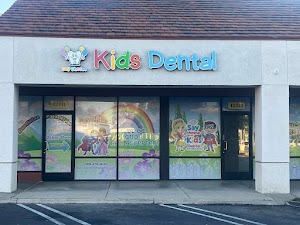
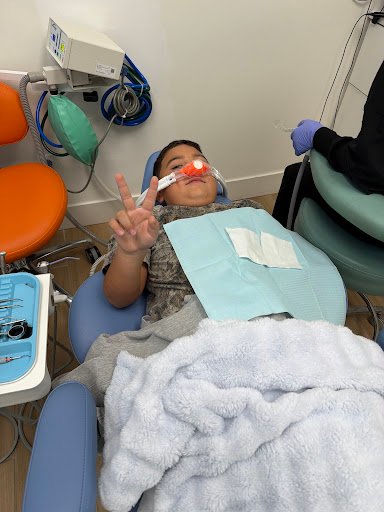
What a GREAT OFFICE ! The whole team is so welcoming and really makes you feel at ease ! My son was so so anxious about his visit and first time getting cavities filled and they really took their time and made him feel like he was safe and in such good hands. I really really appreciated it as a mom the extra attention to detail and attention to my son’s feelings. We will most definitely be coming back for future care and a huge thank you again to the team !

 MARTA OLCZYK
I brought my kids in to Say Cheese Dental today after moving from Orange County && they immediately eased my nerves. The staff was so nice and made my children very comfortable. We’re looking forward to coming back ❤️
 Gy'Kia Wills
Awesome service super friendly
 David Sanchez
This was our first visit, and we had a great experience. Everyone was very patient, friendly, and helpful. The staff made my kids feel comfortable and well cared for. We really appreciate their kindness and professionalism.
 Wendy W
The girls on the office were really sweet and kind with my daughter. The patience and professionalism was very exceptional. They explained everything very well and straight forward. I’ve been to other offices and was not treated the way I was treated today. The staff was very welcoming and attentive
 Adriana Cervantes
Great experience at this dental office. Everyone was kind and welcoming, from the front desk to the X-ray technician and the doctor. The dentist was very thorough. He took the time to explain everything clearly, and made sure I understood the treatment and options. You can really tell they care about their patients and want you to feel comfortable. I highly recommend them.
 Iris Avalos
I must say this play is Wonderfully very charming and kids friendly. They have a wonderful and knowledgeable Doctor, and their staff are professional. My daughter has alot of crowding, and in between baby and mature teeth phase and needs a braces, everyone was non judgemental about her teeth and treated her and myself with kindness. And after all that they have a prize for the kids. Definitely recommended this dentist office.
 Richelle T
Dr. Kohan was super helpful, transparent and professional. The office is very nice and super kid friendly. Staff was attentive and kind. My girls felt very comfortable with the consultation and cleaning.
 Griselda Aguirre
Excelente Servicio Fueron súper amables y comprensivos y eso hizo que mi hijo se sintiera seguro… Lo recomiendo 10/10
 Brenda Orellana