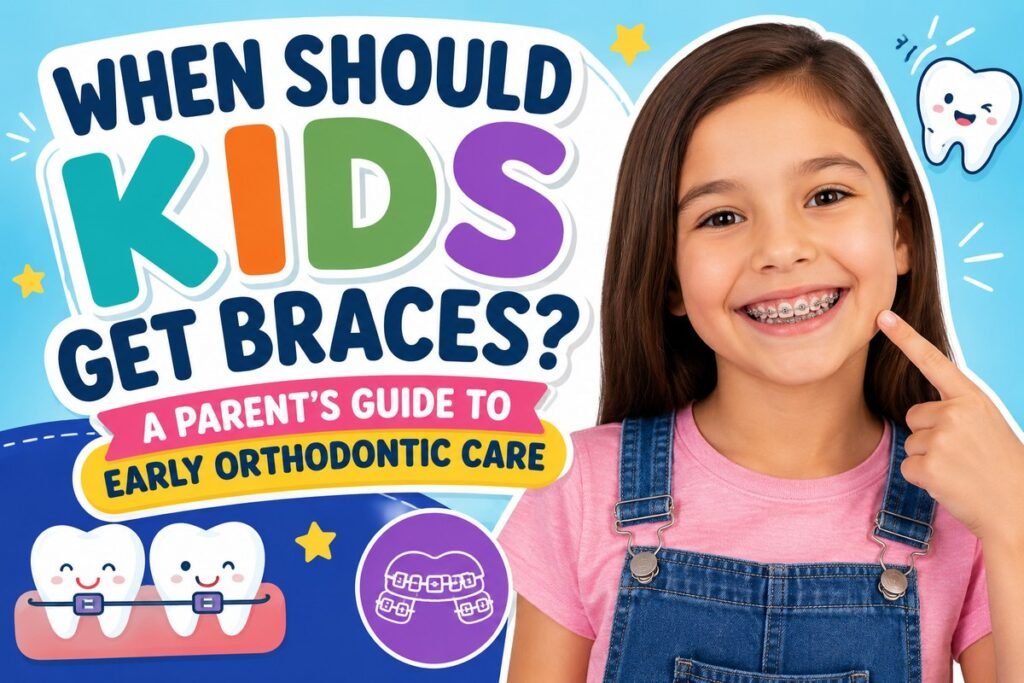
Most children begin braces between ages 9 and 14, once enough permanent teeth have come in. The American Association of Orthodontists recommends a first orthodontic check-up by age 7.
Age 7 is not when treatment usually starts. It is simply the earliest point a dentist can reliably spot crowding, crossbites, and jaw-growth problems, while they are still easy to guide. Many children are checked at 7, then monitored at routine visits until the right moment to begin.
Not sure where your child sits on that timeline? A short evaluation will tell you.
Explore each option in detail: kids braces, teen braces, braces for adults, and clear aligners including Invisalign and Angel Aligners. If something breaks during treatment, our orthodontic emergency guide explains what to do, and our guide to choosing an orthodontist covers what to ask at a consultation.
Wondering whether your child needs early treatment? Our guide to Phase I and Phase II orthodontics explains the difference and why most children need only one phase.
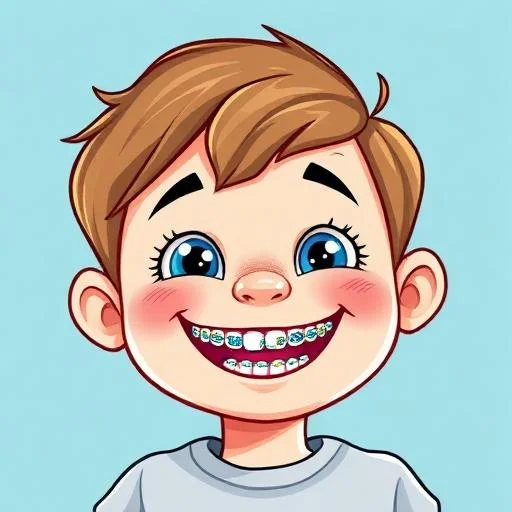
Fixed in place, so they keep working whether or not your child remembers them. The dependable choice for most children.
Removable and barely visible. A good fit for older children and teens who will genuinely wear them.
Younger children with baby teeth are rarely aligner candidates. Our Invisalign in Chino page explains more, or we can look at your child’s case directly.
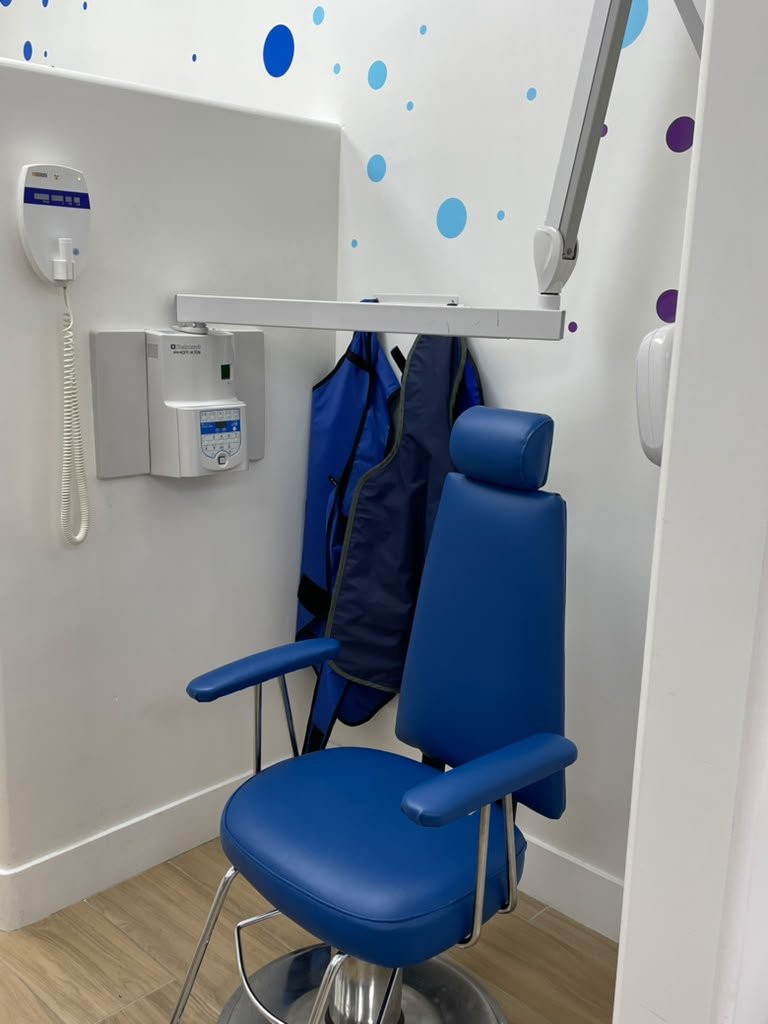
Ages 7 to 10. This happens while your child still has a mix of baby and permanent teeth. It is not about straightening every tooth — it is about fixing things that get harder to correct later, like a crossbite, severe crowding, or a narrow upper jaw.
Ages 11 to 14. Standard comprehensive treatment, once most permanent teeth have arrived. Braces or aligners on the full arch, bringing every tooth into position and settling the bite.
More detail on our Phase 1 and Phase 2 page — or we can simply tell you which phase your child is in.
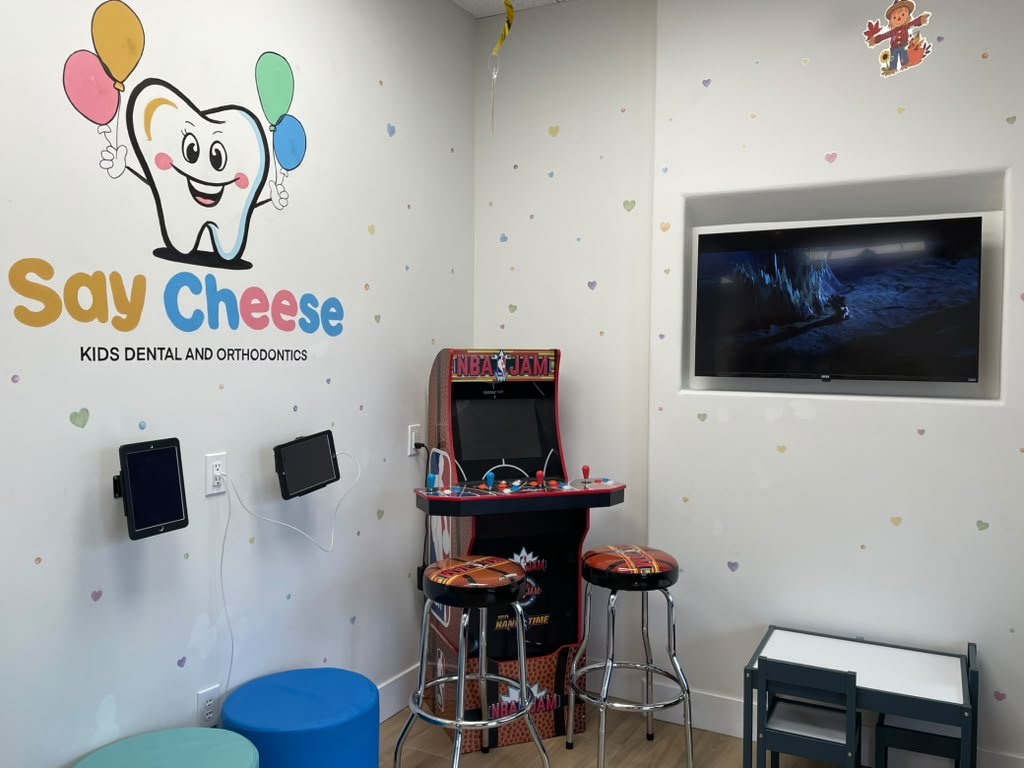
Every plan starts with a look at your child’s bite.
We examine your child’s teeth, bite, and jaw development, take digital X-rays, and talk through what we see. If nothing needs doing yet, we will say so plainly.
You get a written plan: what we are correcting, which appliance, roughly how long, and what it costs after insurance. Nothing starts until you have had time to think about it.
About an hour or two. No injections, no drilling. Brackets are bonded to the teeth and connected with a wire.
Every 6 to 8 weeks we change the wire or elastics to keep teeth moving. Short visits, usually 20 to 30 minutes.
Braces come off in a single visit. Retainers follow straight away — wearing them as directed is what keeps the result.
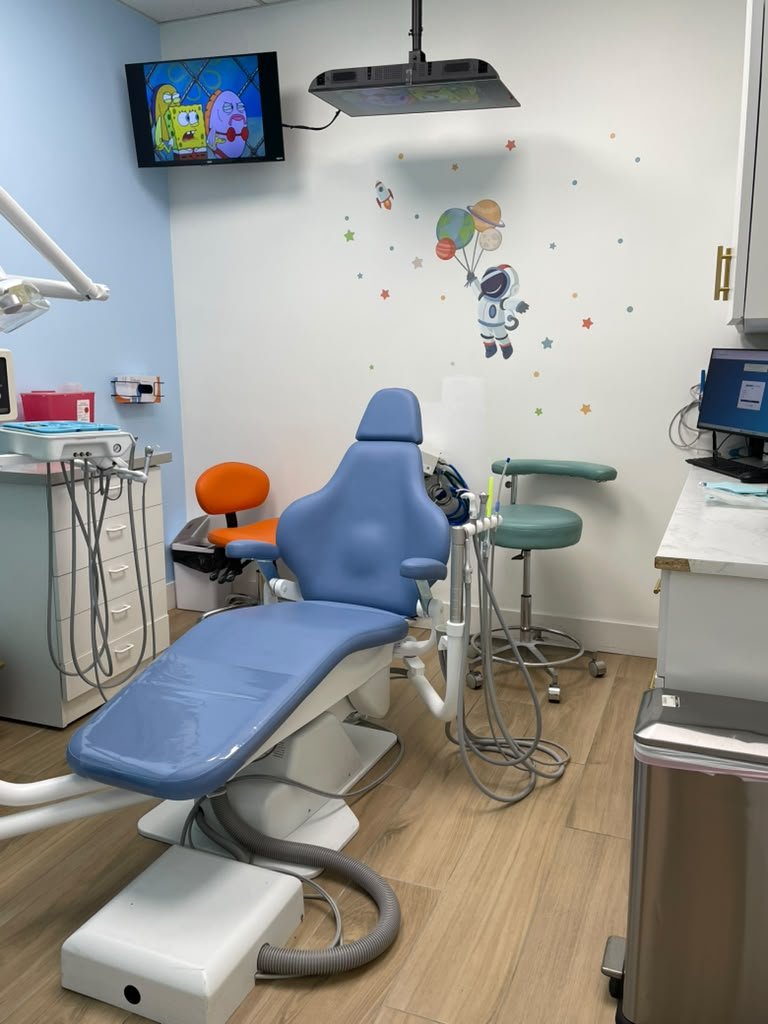
Hard, sticky, and chewy foods are what break brackets. Apples and carrots are fine cut into pieces, and corn is fine off the cob.
Brackets trap food, so brushing after meals matters more than usual. Skipping it is how children finish treatment with straight teeth and white marks on them.
Teeth usually ache for two or three days after placement and after each adjustment. Soft foods and age-appropriate pain relief handle it.
A mouthguard is strongly recommended for any contact sport. Standard guards do not fit properly over brackets.
Broken bracket or poking wire? See emergency orthodontic care, or reach us directly.
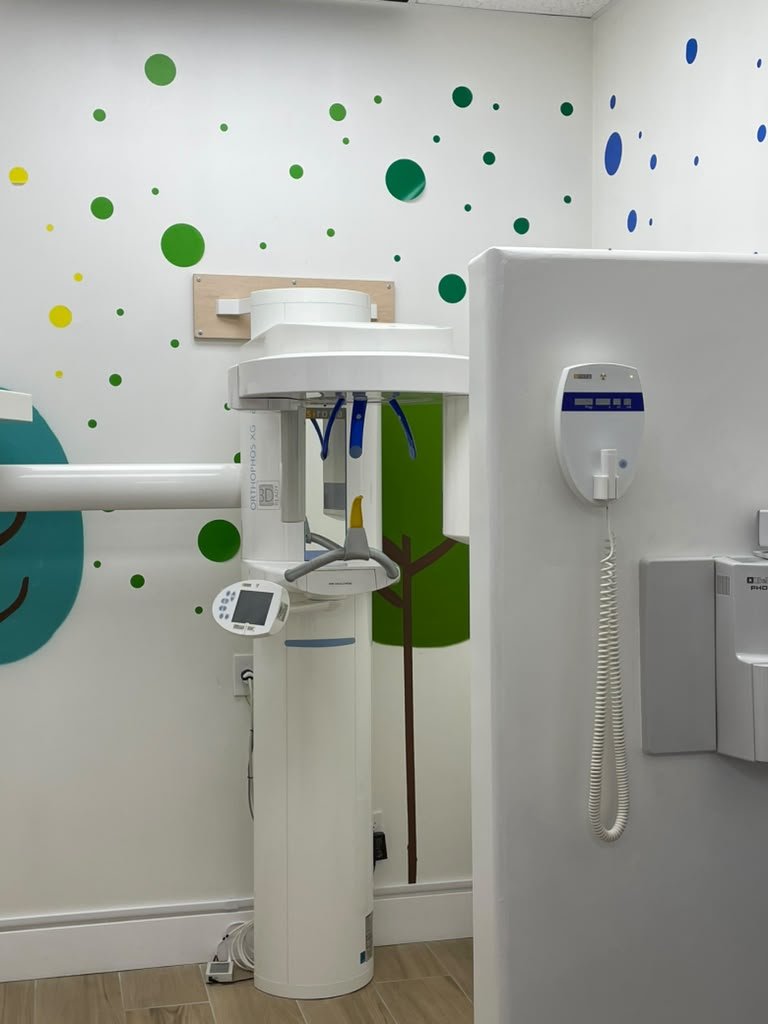
Cost depends on what is being corrected and how long treatment runs, so a figure only means something after an evaluation. What we can tell you is how payment usually works.
Full details are on our insurance and payment options page. We are happy to check your benefits before you decide anything.
Book your child’s appointment with Chino’s trusted children’s dentist today!
Quick & Easy Online Booking
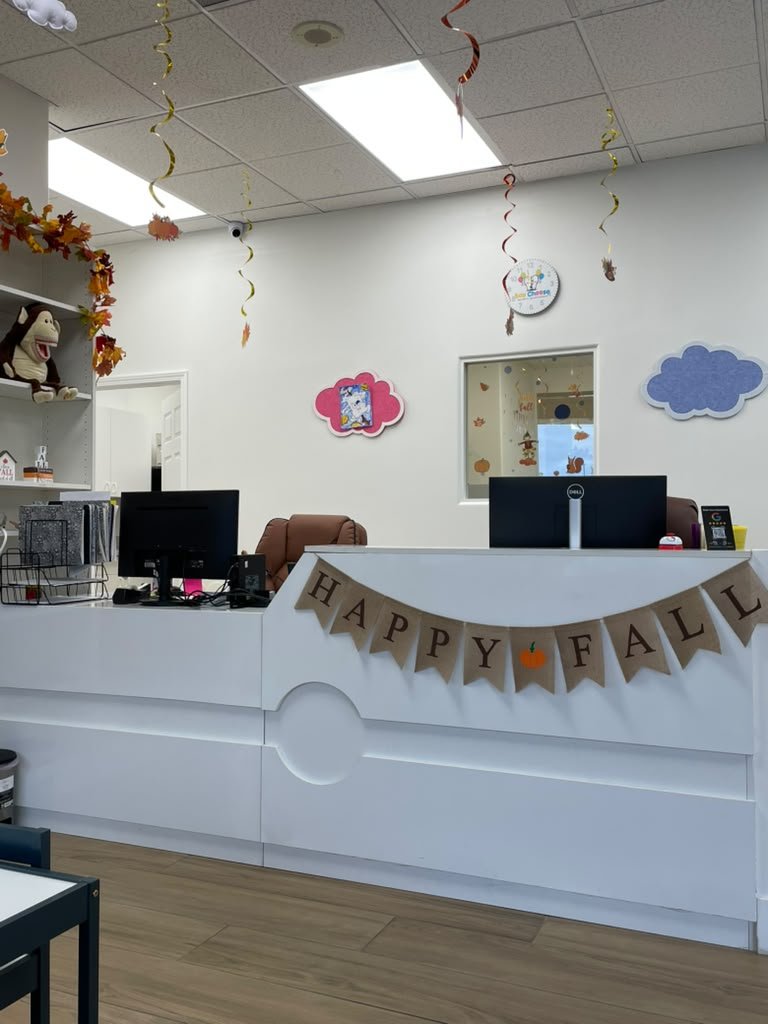
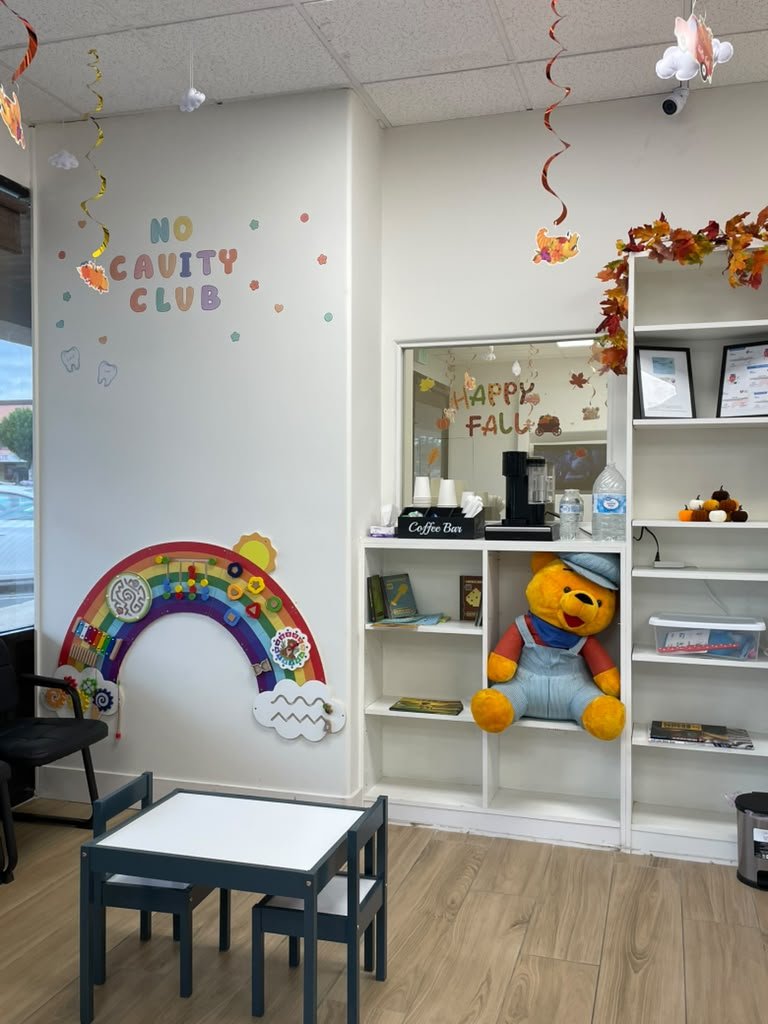
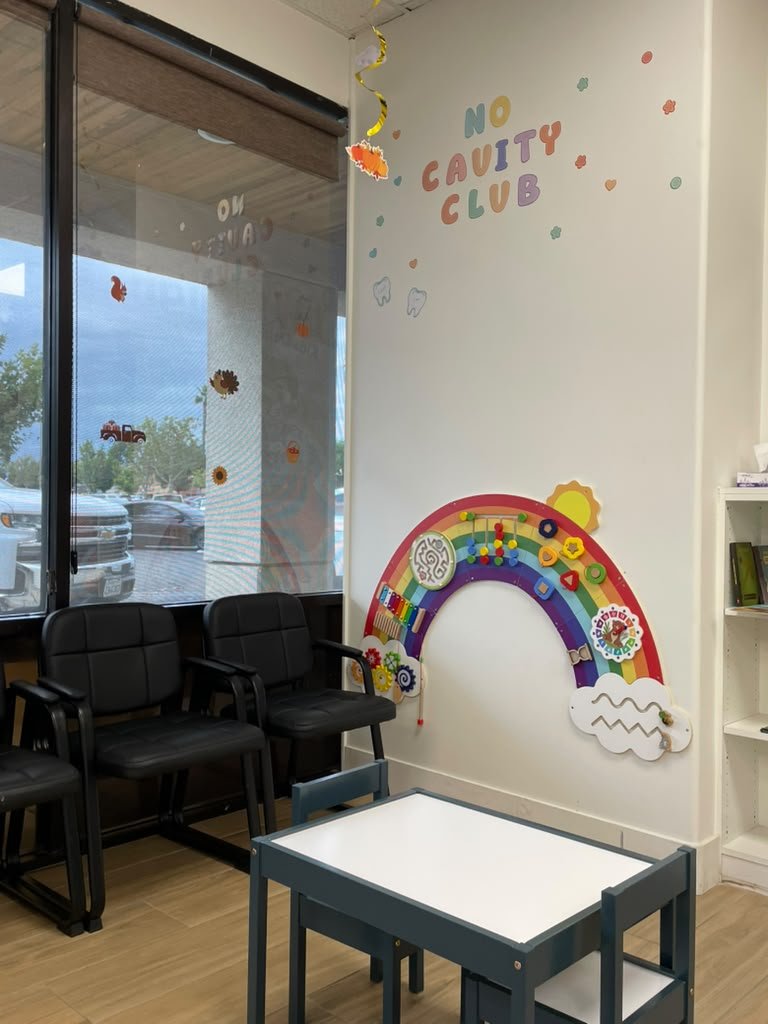
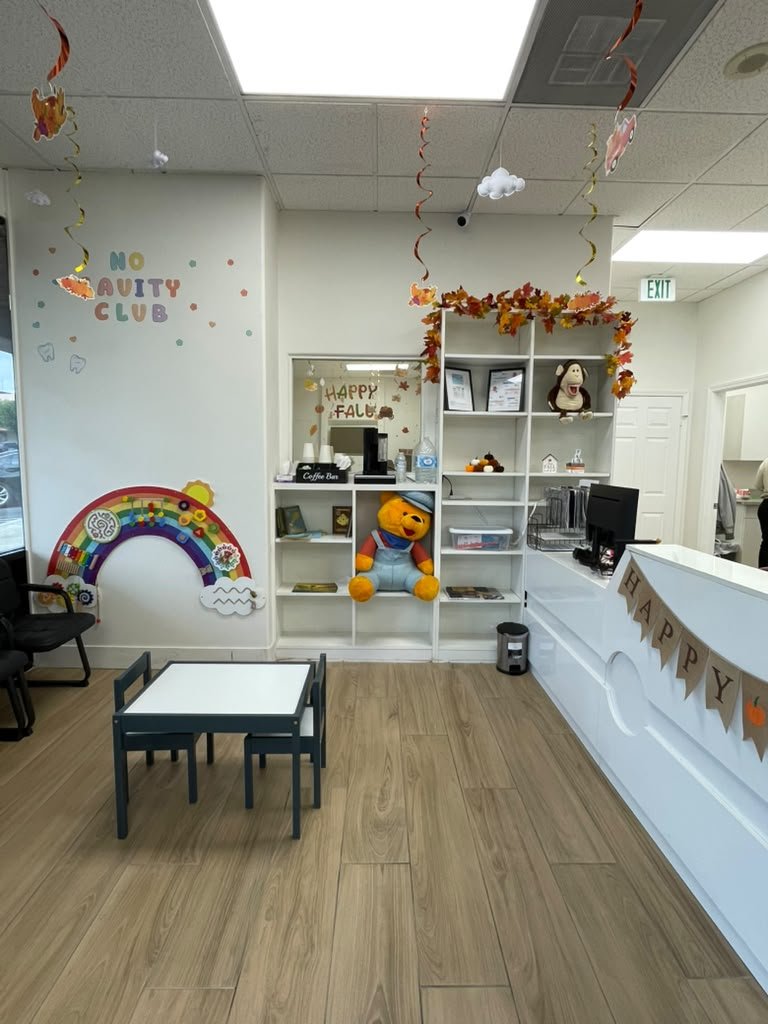
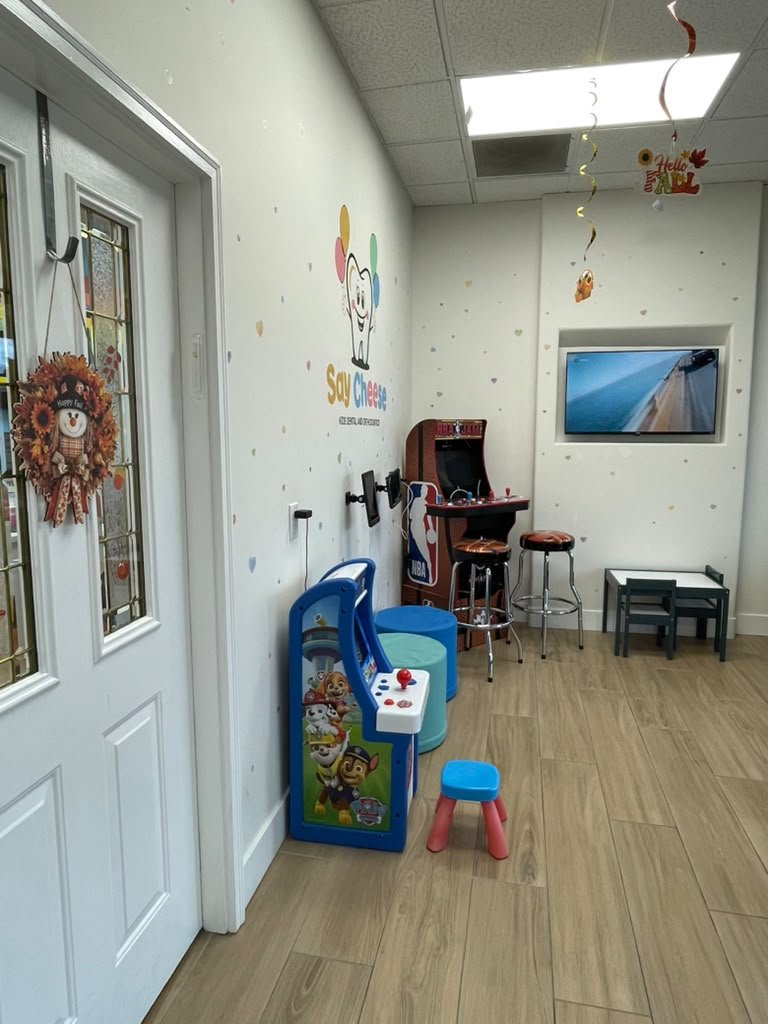
Our office is at 12413 Central Ave in Chino, and we see families from Chino Hills, Ontario, Eastvale, Pomona, and Montclair.
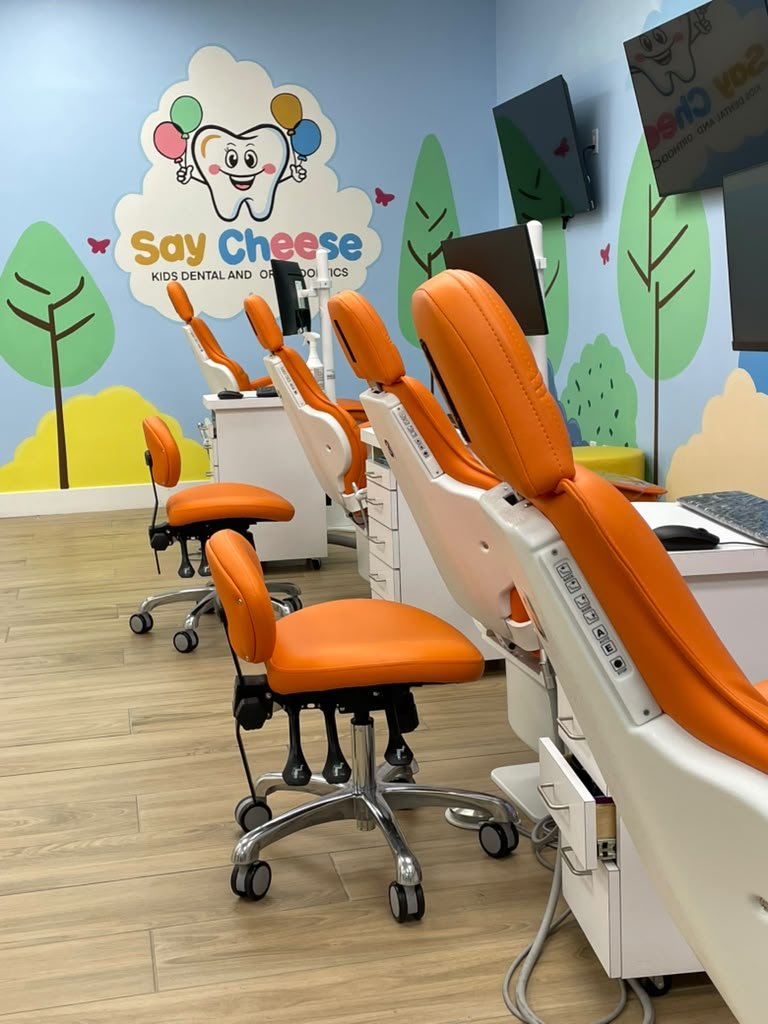
Planned around school, sport, and a teenager’s own priorities.
How removable aligners work, and which cases they suit.
When early treatment helps, and when waiting is better.
Holding space after an early tooth loss.
Routine care matters more during braces, not less.
Broken brackets, loose bands, and poking wires.
We see families from across the area at our Chino office on Central Avenue.
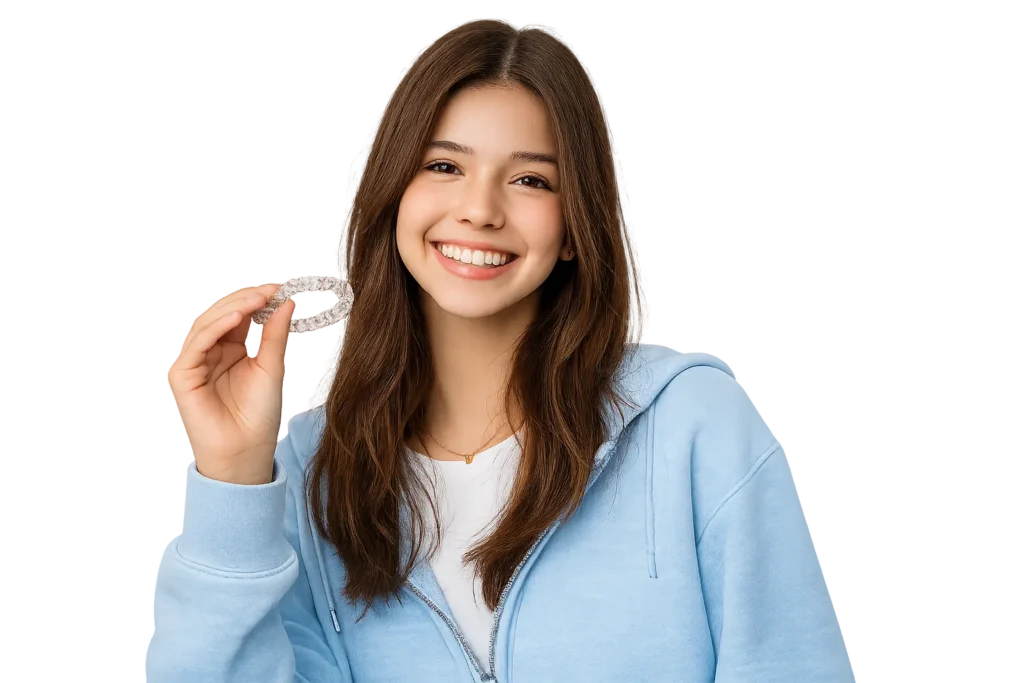
Need a gentle children’s dentist in Chino? Contact Say Cheese Kids Dental & Orthodontics to book appointments, ask questions, or request emergency kids dental care. Quick, easy, and parent-friendly.
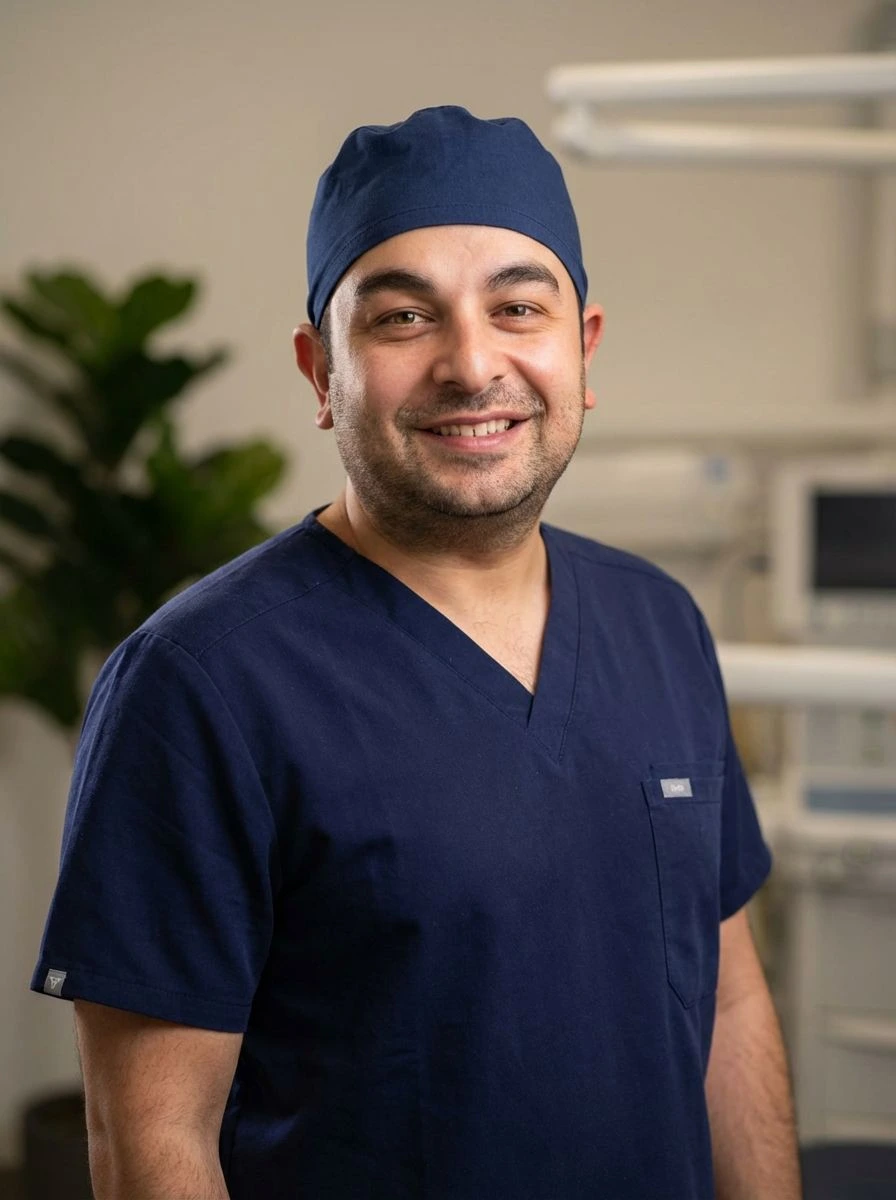
Licensed general dentist in California (license #105573), caring for children and teens in Chino. He is not a board-certified pediatric dental or orthodontic specialist. This page is general education, not a diagnosis — only an in-person evaluation can tell you whether your child needs treatment.