Parents comparing orthodontic practices run into the phrase constantly, usually without any explanation of what it actually means — or whether it should affect their decision. This page sets out what the credential involves, what it does not, and what to ask when you are choosing someone to treat your child.
An orthodontist is a dentist who completed a two to three year accredited residency in tooth movement and jaw development. Board certification through the American Board of Orthodontics is a voluntary additional step involving written and clinical examinations and periodic renewal. It is not required in order to practise orthodontics.
Every orthodontist is already a licensed dentist who then completed an accredited residency of two to three additional years, focused specifically on tooth movement, jaw growth, and bite development. That residency — not board certification — is what makes someone an orthodontist.
Certification through the American Board of Orthodontics is an optional step taken after residency. It involves written and clinical examinations, including presenting treated cases for review by other orthodontists. A minority of practising orthodontists pursue it.
ABO certification is time-limited rather than permanent. Maintaining it requires periodic recertification, which is why the credential says something about ongoing engagement rather than a single exam passed years ago.
It says nothing about how someone communicates with an anxious eleven-year-old, whether appointments run on time, or how a practice handles a broken bracket on a Friday afternoon. Those matter enormously and are not measured by any board.
A look at how the teeth meet, how the jaws are growing, and which permanent teeth are still to come. Digital records where they are needed — photographs, a scan, or X-rays including a panoramic view.
A clear explanation of what was found, in language you can follow, and whether anything needs doing now or simply watching.
Where treatment is warranted, the realistic options — braces, clear aligners, or an appliance — with the trade-offs of each spelled out.
Timing, likely duration, and cost, including what your insurance is expected to contribute.
Is my child ready for treatment now, or would waiting produce a better result? Early is not always better.
What happens if we do nothing — what is the actual consequence?
Who will be doing the adjustments at each visit, and will we see the same person?
What does the fee include: records, retainers, repairs, and how long is retention covered?
What is your policy when something breaks between appointments? See our page on orthodontic emergencies.
A good consultation should leave you clearer than you arrived, including about the option of doing nothing yet. If you feel pressed toward a decision on the day, that is worth noticing.
Six stages, though the middle one is much the longest. Knowing the shape of it helps parents judge where they are.
An examination and a conversation. You should leave knowing whether treatment is needed, when, and what the alternatives are.
Photographs, a digital scan, and imaging where clinically indicated. These become the baseline everything is measured against later.
What will be moved, how, in what order, roughly how long, and what it costs. Nothing begins until you have agreed to it.
Braces or aligners doing the work, with review appointments every few weeks. This is where consistency on your child’s part matters most.
Appliances come off, teeth are cleaned and polished, and final records are taken to compare against day one.
Retainers hold the result. Teeth drift for life without them, and the first year after treatment is when relapse happens fastest.
Meet Our Doctor
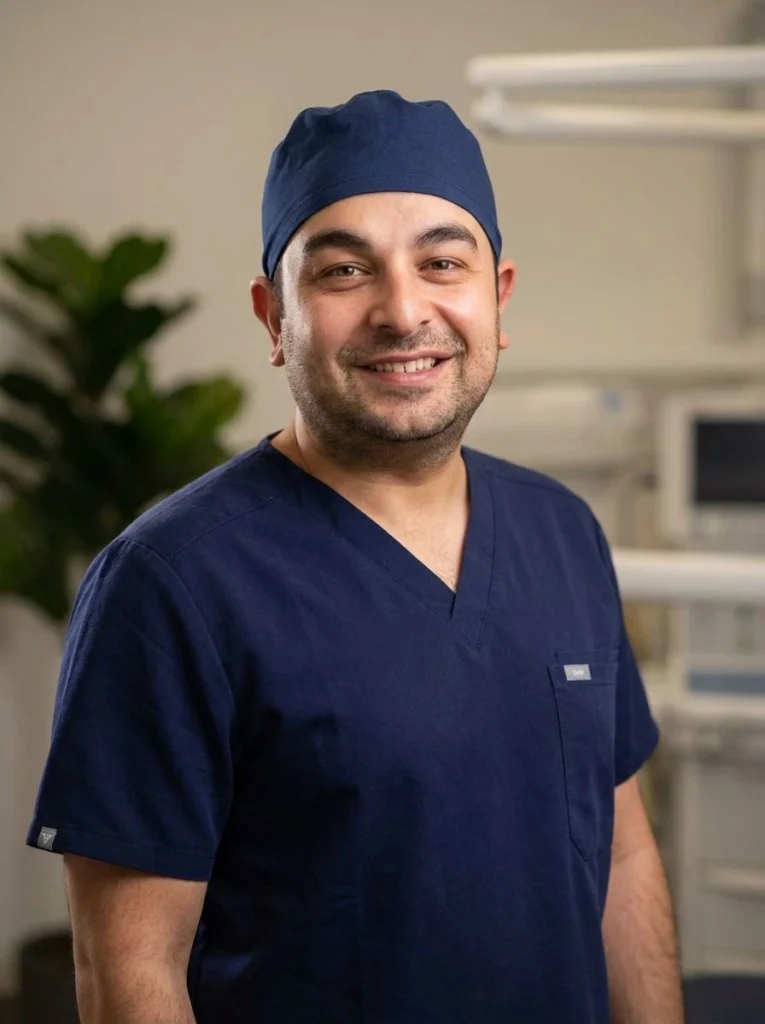
Dr. Kohan has over five years of experience creating healthy, confident smiles for children in Chino. His gentle, child-focused approach makes every visit positive and stress-free.
An orthodontist who has voluntarily completed certification with the American Board of Orthodontics after their specialist residency. It involves written and clinical examinations, including submitting treated cases for peer review, and must be renewed periodically.
No. Any licensed orthodontist who has completed an accredited residency may practise. Certification is an additional, optional credential rather than a licence to work.
It signals that someone chose to have their treated cases examined by peers and keeps that current. It is a reasonable thing to weigh, alongside experience with children specifically, communication, and how a practice runs day to day.
The American Association of Orthodontists suggests a first evaluation by age seven. Most children need nothing at that point — the purpose is to spot the few issues where early intervention genuinely changes the outcome.
Yes, and the teens are the most common time for full treatment, once most permanent teeth are through. Both braces and clear aligners are options depending on the case.
Yes. Suitability depends on how much movement is needed and whether your child will wear them consistently, which a consultation determines.
An examination of the teeth, bite, and jaw development, digital records where needed, and a clear explanation of what was found. If treatment is warranted, you should get options, timing, duration, and costs before committing to anything.
No. Plenty of children evaluated early need no treatment at all, and some need only monitoring as they grow. A good evaluation is as willing to recommend waiting as it is to recommend treatment.
Many PPO plans include an orthodontic benefit, usually a lifetime maximum rather than annual. Medi-Cal covers orthodontics only in limited qualifying circumstances. We can review your coverage with you.
Dr. Joshua Kohan, DMD is a pediatric dentist who oversees your child’s general dental care, and orthodontic treatment is provided in coordination with our partner orthodontists. Call the office and we can tell you exactly who would be treating your child and what their credentials are.
Reviewed by Dr. Joshua Kohan, DMD — Say Cheese Kids Dental & Orthodontics, Chino, CA. Orthodontic treatment is provided in coordination with our partner orthodontists.
Last reviewed: 5 August 2026. This page is general information and is not a substitute for an in-person orthodontic evaluation.

Very clean office the staff was amazing. So many neat video games. I would refer Say Cheese Dental to my friends and family.
The dentist was very kind and knowledgeable and polite! The staff took the time needed for my 3 boys to feel comfortable and relaxed. We will be here in the next 6.months for there followup and braces!
Me encanto el trato del personal todos incluyendo al doctor
Muy amable todo el personal y atentos, respondieron todas mis dudas. Fue una buena opción venir aquí.
This was my first visit to Say Cheese Dental, and I was really impressed. The place is super clean, organized, and has a relaxing atmosphere. The staff is kind, patient, and very friendly — they made me feel comfortable from the moment I walked in. I’m happy I chose this office!
Great consultation! The staff was friendly, the orthodontist was knowledgeable and took the time to explain everything clearly. I felt comfortable and confident with the treatment plan. Highly recommend! I will definitely be back!
First time coming to this kids dental and we had a great experience. Everything was explained so well , will be coming back!
A first dental visit should not be a financial decision. We accept Medi-Cal (Denti-Cal) and most major PPO plans, and our front desk verifies your coverage before you come in, so you know what is covered ahead of the appointment.
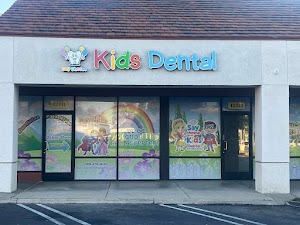
12413 Central Ave, Chino, CA 91710
Open in Google Maps →
Monday to Thursday, 8:00 AM – 5:00 PM
Friday, 8:00 AM – 2:00 PM
Saturday and Sunday, closed
We are on Central Avenue in Chino, a short drive from most of the surrounding communities. Siblings can usually be booked back to back, which saves a second trip.
Whether your child may benefit from braces, clear aligners, or simply monitoring for now, a consultation will tell you where things stand. Families come to us from Chino, Chino Hills, Eastvale, and Ontario.