Each of these is a situation where we would first ask whether the tooth can be saved. Extraction is considered only once the answer is genuinely no.
Decay that has destroyed too much of the tooth to hold a filling or a crown. Leaving such a tooth in place risks pain and infection spreading to teeth beside it.
Where infection has reached the root and cannot be resolved by removing the pulp, taking the tooth out is what stops it. An infected baby tooth can also damage the permanent tooth forming underneath.
Occasionally a baby tooth is removed as part of an orthodontic plan to create room for teeth to align. This is planned deliberately, in coordination with orthodontic care, never decided on the spot.
A tooth broken below the gumline or loosened badly in a fall may not be salvageable. After any injury we assess the permanent tooth developing above before deciding anything.
Sometimes a baby tooth stays put while the permanent tooth erupts behind or beside it. If it does not loosen on its own within a reasonable time, removing it lets the permanent tooth settle into position.
Children handle this far better than parents expect, largely because of what happens before the procedure rather than during it.
We examine the tooth and take a digital X-ray to see the root and the permanent tooth below. Then we tell you honestly whether the tooth can be saved. If it can, we go that route.
If removal is the right call, we explain why, what the alternative would mean, and what happens to the space afterwards. Questions are welcome, and nothing is scheduled until you are comfortable.
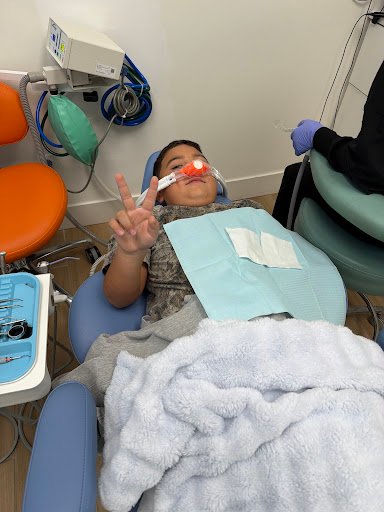
We use age-appropriate language, avoid alarming words, and let your child hold something familiar. Nitrous oxide is available for children who need extra help settling.
The area is numbed completely first — your child should feel firm pressure and movement, but not pain. A baby tooth with a resorbed root often comes away in under a minute.
We place gauze, watch until the bleeding settles, and send you home with written aftercare. We check the healing at your next visit and monitor the space.
Most extraction appointments for a baby tooth take under half an hour from sitting down to walking out.
Bite gently on the gauze for about 30 to 45 minutes. A little pinkness in the saliva is normal for the rest of the day.
Soft, cool foods — yoghurt, smoothies, pasta, scrambled egg. Skip straws, spitting, and anything crunchy or very hot for the first day.
Do not let your child eat or drink anything hot until the numbness has completely worn off, usually two to three hours, since they cannot feel a burn or a bitten lip.
Brush the other teeth normally that evening, keeping the brush away from the socket itself.
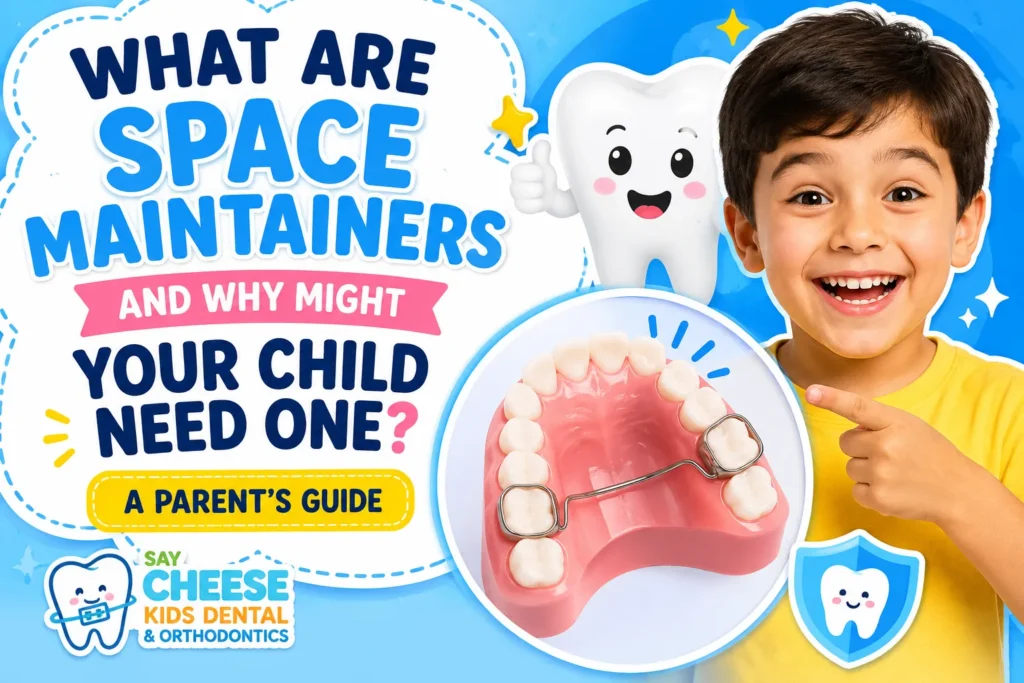
This is the part that matters longer term. A baby molar removed well before it was due to fall out leaves a gap that neighbouring teeth drift into, and the permanent tooth may then have nowhere to come through.
Depending on which tooth was removed and your child’s age, Dr. Kohan may recommend a space maintainer — a small appliance that holds the gap open. Front baby teeth lost close to their natural timing usually need nothing at all.
Either way, we monitor the area at routine exams and cleanings.
Call us if there is bleeding that does not settle after an hour of firm gauze pressure, swelling that increases after the second day, a fever, or pain that gets worse rather than better. These are uncommon, but we would always rather hear from you.
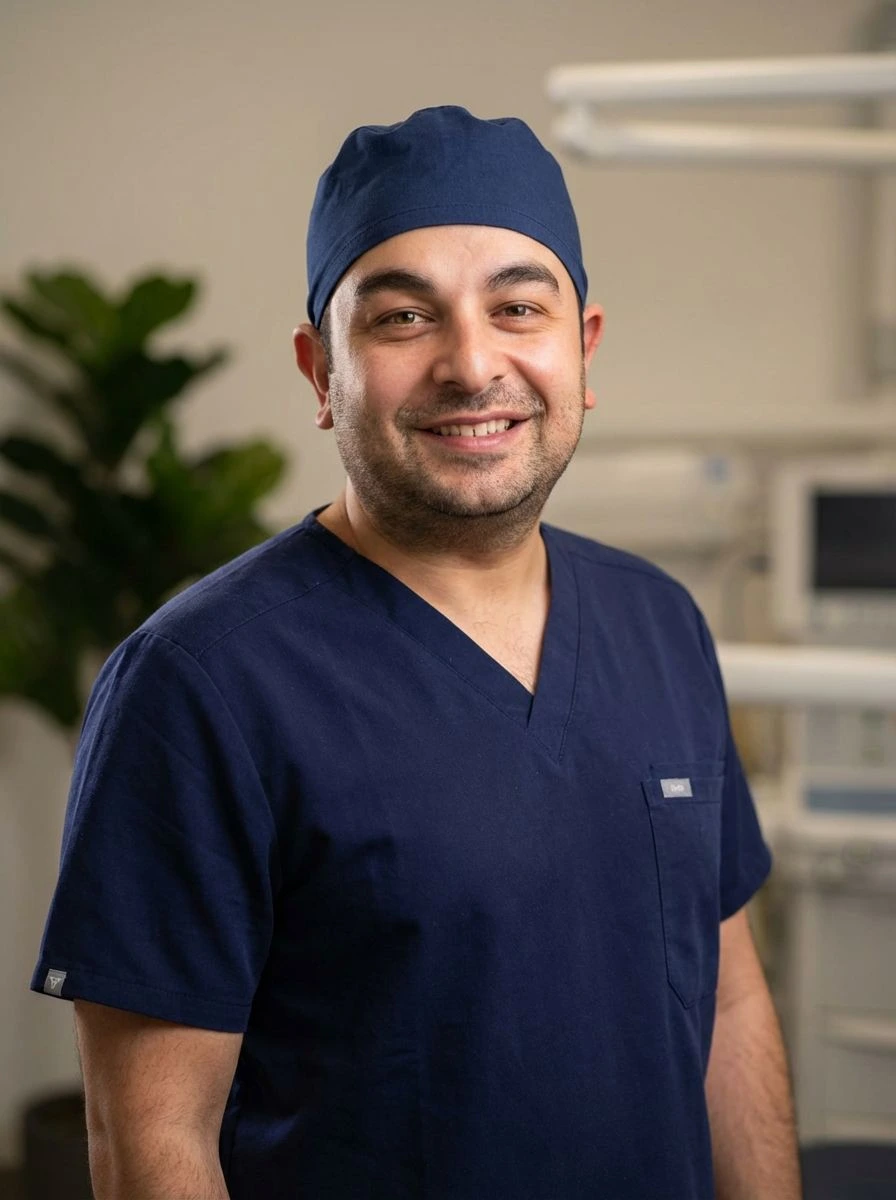
UCLA-trained, with over five years of experience caring for children’s smiles in Chino.
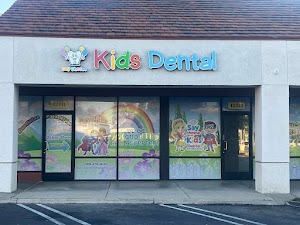
What a GREAT OFFICE ! The whole team is so welcoming and really makes you feel at ease ! My son was so so anxious about his visit and first time getting cavities filled and they really took their time and made him feel like he was safe and in such good hands. I really really appreciated it as a mom the extra attention to detail and attention to my son’s feelings. We will most definitely be coming back for future care and a huge thank you again to the team !

 MARTA OLCZYK
I brought my kids in to Say Cheese Dental today after moving from Orange County && they immediately eased my nerves. The staff was so nice and made my children very comfortable. We’re looking forward to coming back ❤️
 Gy'Kia Wills
Awesome service super friendly
 David Sanchez
This was our first visit, and we had a great experience. Everyone was very patient, friendly, and helpful. The staff made my kids feel comfortable and well cared for. We really appreciate their kindness and professionalism.
 Wendy W
The girls on the office were really sweet and kind with my daughter. The patience and professionalism was very exceptional. They explained everything very well and straight forward. I’ve been to other offices and was not treated the way I was treated today. The staff was very welcoming and attentive
 Adriana Cervantes
Great experience at this dental office. Everyone was kind and welcoming, from the front desk to the X-ray technician and the doctor. The dentist was very thorough. He took the time to explain everything clearly, and made sure I understood the treatment and options. You can really tell they care about their patients and want you to feel comfortable. I highly recommend them.
 Iris Avalos
I must say this play is Wonderfully very charming and kids friendly. They have a wonderful and knowledgeable Doctor, and their staff are professional. My daughter has alot of crowding, and in between baby and mature teeth phase and needs a braces, everyone was non judgemental about her teeth and treated her and myself with kindness. And after all that they have a prize for the kids. Definitely recommended this dentist office.
 Richelle T
Dr. Kohan was super helpful, transparent and professional. The office is very nice and super kid friendly. Staff was attentive and kind. My girls felt very comfortable with the consultation and cleaning.
 Griselda Aguirre
Excelente Servicio Fueron súper amables y comprensivos y eso hizo que mi hijo se sintiera seguro… Lo recomiendo 10/10
 Brenda Orellana