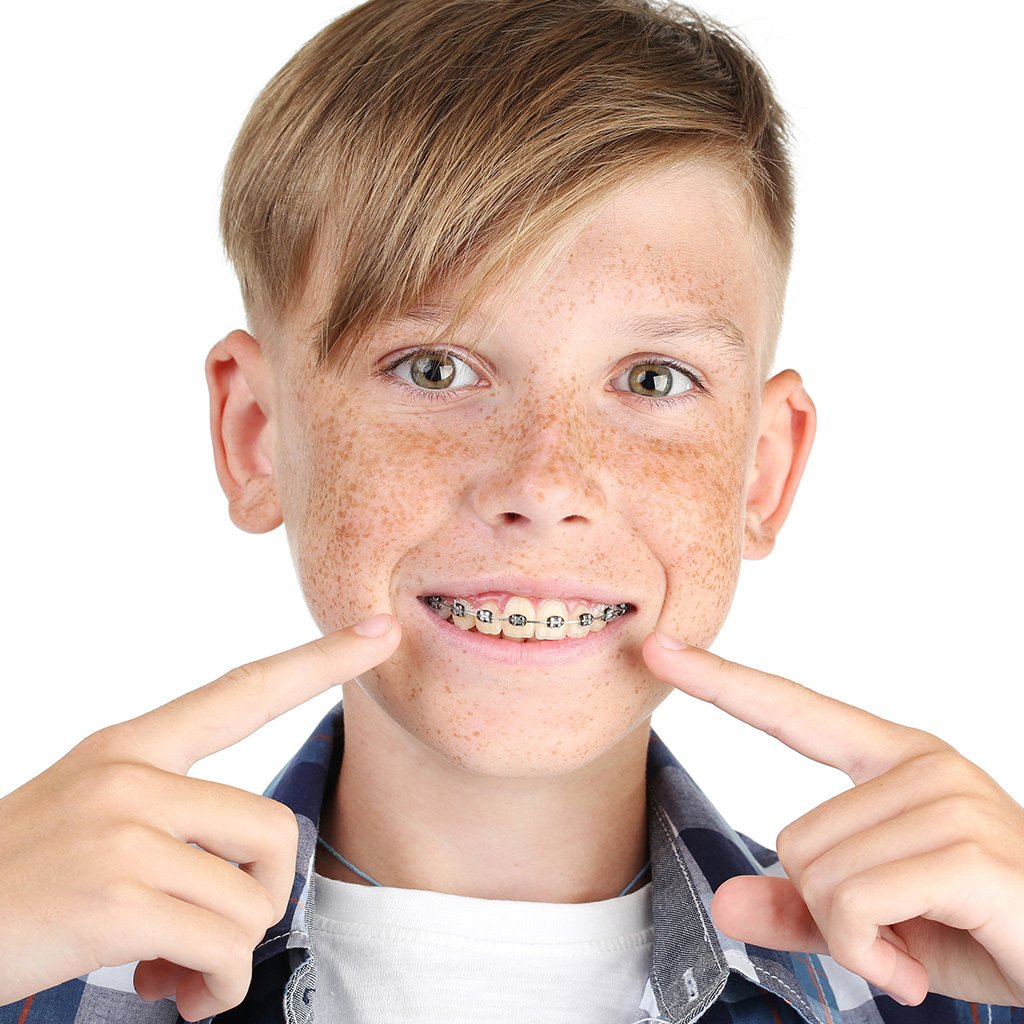
Phase I orthodontics is early, limited treatment between roughly ages six and ten, while baby and permanent teeth are both present, used to guide jaw growth or correct a specific problem such as a crossbite. Phase II is comprehensive treatment in the teens once permanent teeth have erupted. Most children need only Phase II. Two-phase treatment is recommended only where early intervention changes the eventual outcome.
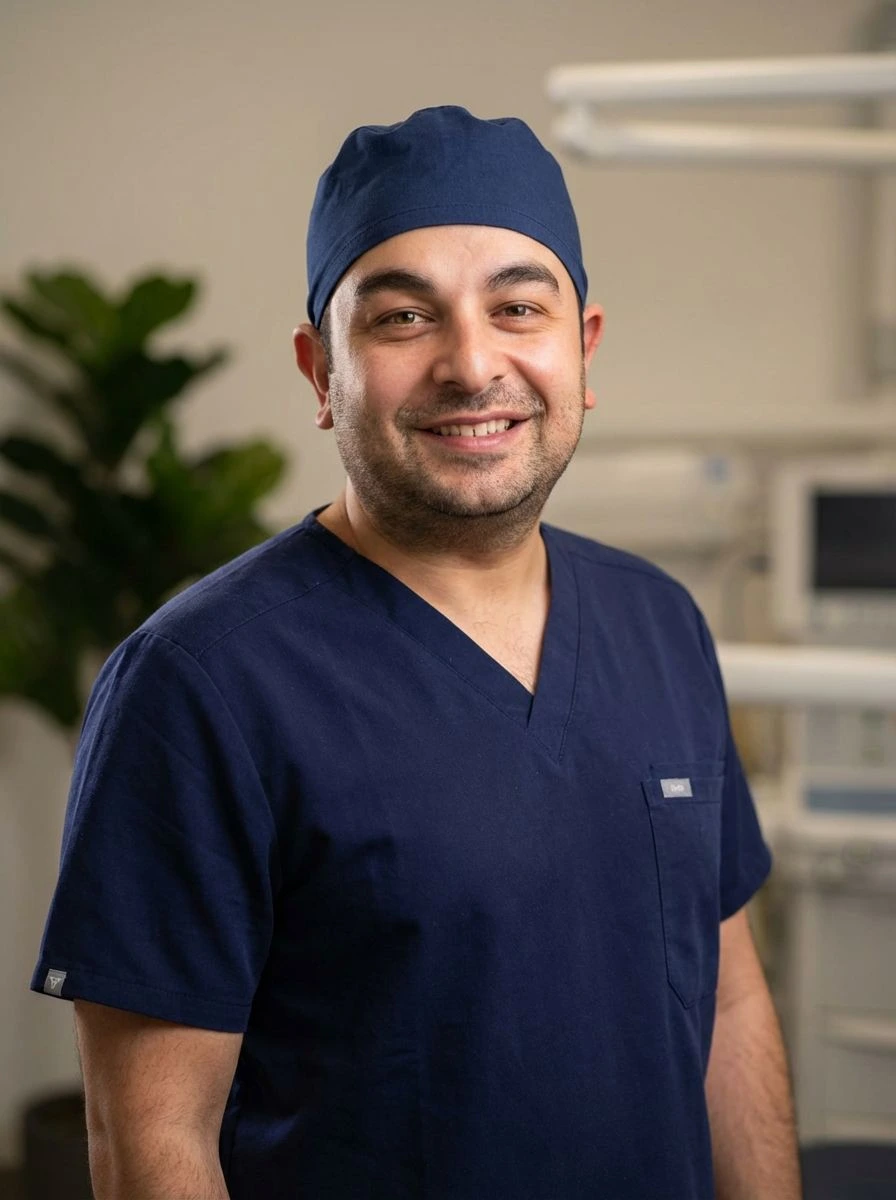
UCLA-trained, with over five years of experience caring for children’s smiles in Chino.
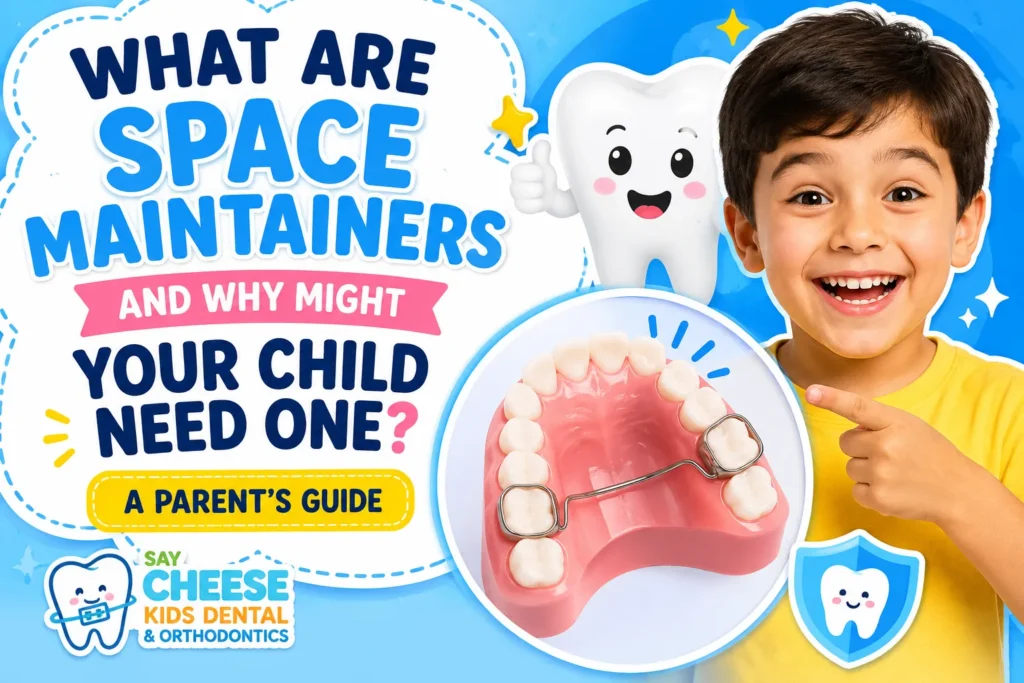
The two phases do different jobs. Phase I changes how the jaw grows; Phase II moves teeth into final position. One is not a shorter version of the other.
About 6 to 10 years old
A mix of baby and permanent teeth
Guiding jaw growth and correcting a specific problem while growth can still be influenced
Palatal expander, partial braces on a few teeth, space maintainer, habit appliance
Often 6 to 12 months, then a resting period while remaining teeth erupt
Creates room, corrects a crossbite, reduces the risk of trauma to protruding teeth
A minority of children — only where waiting would make the outcome worse
About 11 to 14 years old, sometimes later
Nearly all permanent teeth have erupted
Aligning all the teeth and settling the bite into its final position
Full braces or a complete series of clear aligners, followed by retainers
Commonly 12 to 30 months depending on the case
A finished, aligned bite
The standard route for most children who need orthodontics
Worth being clear about: Phase I is not a head start on Phase II, and completing it does not mean braces are avoided later. Its purpose is to fix something that is genuinely easier to correct while the jaw is growing. Where there is no such problem, starting early adds cost and years in appliances without improving the result. A good evaluation is as ready to recommend waiting as it is to recommend treating.

Two routes in. Neither tells you whether treatment is needed — only whether it is worth having your child looked at now.
Is your child between six and ten?
Are baby teeth and permanent teeth both present?
Is there crowding, a crossbite, or upper teeth that stick out noticeably?
Has a thumb or pacifier habit continued past about age four?
Is your child eleven or older?
Have most permanent teeth come through?
Is there crowding, spacing, or a bite that does not meet evenly?
Did your child have Phase I treatment earlier?
These questions point toward an appointment, not a diagnosis. Crowding at seven often resolves as the jaw widens, and a bite that looks wrong to a parent can be entirely normal for that stage. Only a clinical examination, usually with imaging, can establish which phase — if either — your child actually needs. The American Association of Orthodontists suggests a first evaluation by age seven, and for most children that visit ends with a plan to simply keep watching.
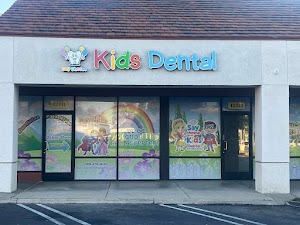
What a GREAT OFFICE ! The whole team is so welcoming and really makes you feel at ease ! My son was so so anxious about his visit and first time getting cavities filled and they really took their time and made him feel like he was safe and in such good hands. I really really appreciated it as a mom the extra attention to detail and attention to my son’s feelings. We will most definitely be coming back for future care and a huge thank you again to the team !
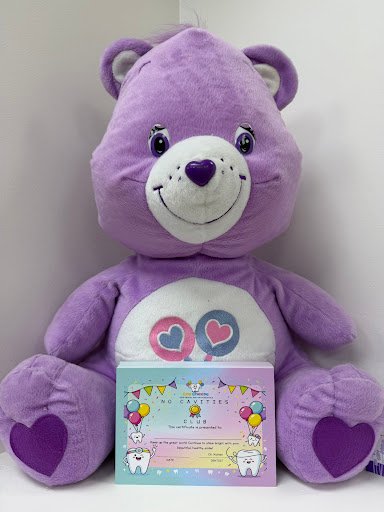
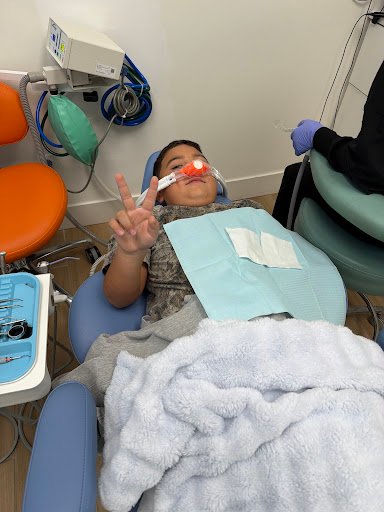
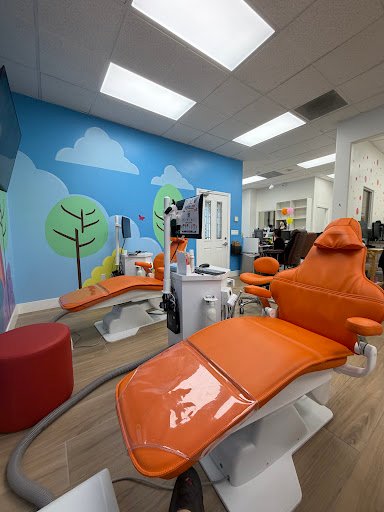

 MARTA OLCZYK
I brought my kids in to Say Cheese Dental today after moving from Orange County && they immediately eased my nerves. The staff was so nice and made my children very comfortable. We’re looking forward to coming back ❤️
 Gy'Kia Wills
Awesome service super friendly
 David Sanchez
This was our first visit, and we had a great experience. Everyone was very patient, friendly, and helpful. The staff made my kids feel comfortable and well cared for. We really appreciate their kindness and professionalism.
 Wendy W
The girls on the office were really sweet and kind with my daughter. The patience and professionalism was very exceptional. They explained everything very well and straight forward. I’ve been to other offices and was not treated the way I was treated today. The staff was very welcoming and attentive
 Adriana Cervantes
Great experience at this dental office. Everyone was kind and welcoming, from the front desk to the X-ray technician and the doctor. The dentist was very thorough. He took the time to explain everything clearly, and made sure I understood the treatment and options. You can really tell they care about their patients and want you to feel comfortable. I highly recommend them.
 Iris Avalos
I must say this play is Wonderfully very charming and kids friendly. They have a wonderful and knowledgeable Doctor, and their staff are professional. My daughter has alot of crowding, and in between baby and mature teeth phase and needs a braces, everyone was non judgemental about her teeth and treated her and myself with kindness. And after all that they have a prize for the kids. Definitely recommended this dentist office.
 Richelle T
Dr. Kohan was super helpful, transparent and professional. The office is very nice and super kid friendly. Staff was attentive and kind. My girls felt very comfortable with the consultation and cleaning.
 Griselda Aguirre
Excelente Servicio Fueron súper amables y comprensivos y eso hizo que mi hijo se sintiera seguro… Lo recomiendo 10/10
 Brenda Orellana